
CHENDOL
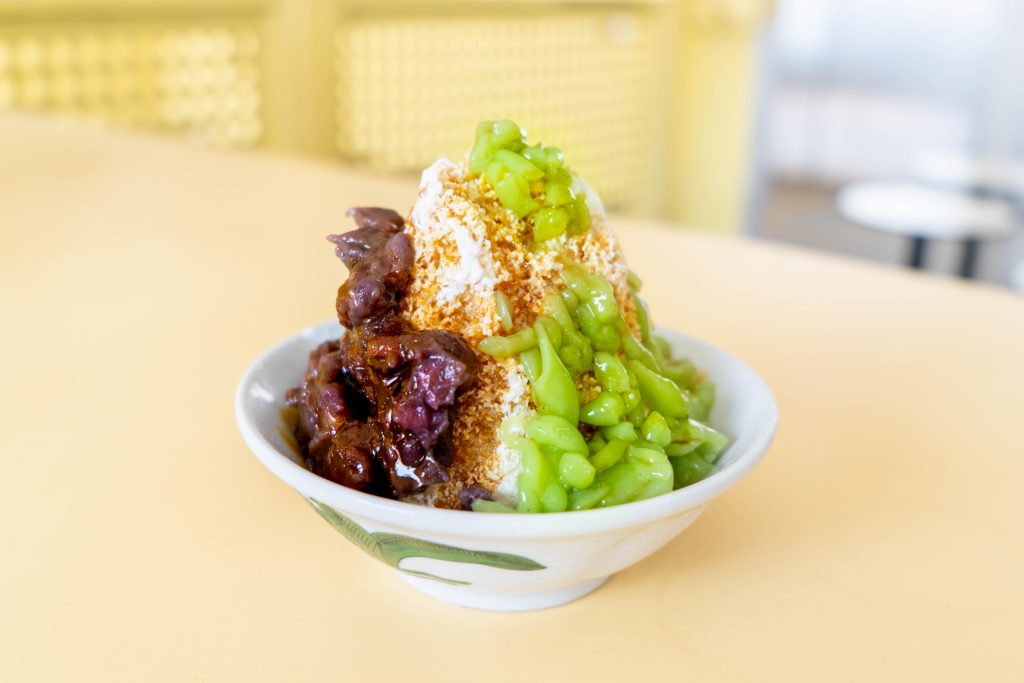
This versatile dessert can be found in countless iterations across Southeast Asia, and may well be symbolic of Southeast Asia’s diverse culinary landscape! Often used as a sweet solution to the perpetual heat, a standard serving of chendol typically includes a heavenly combination of shaved ice, fresh coconut milk, green pandan jelly noodles and gula melaka (palm sugar) syrup. The traditional treat is thought to hail from the ancient kingdoms of Nusantara (the Malay archipelago), probably as a royal dessert reserved for the courtly elite. These days chendol is a popular street food, with variations of the dish popping up across different countries in the region.
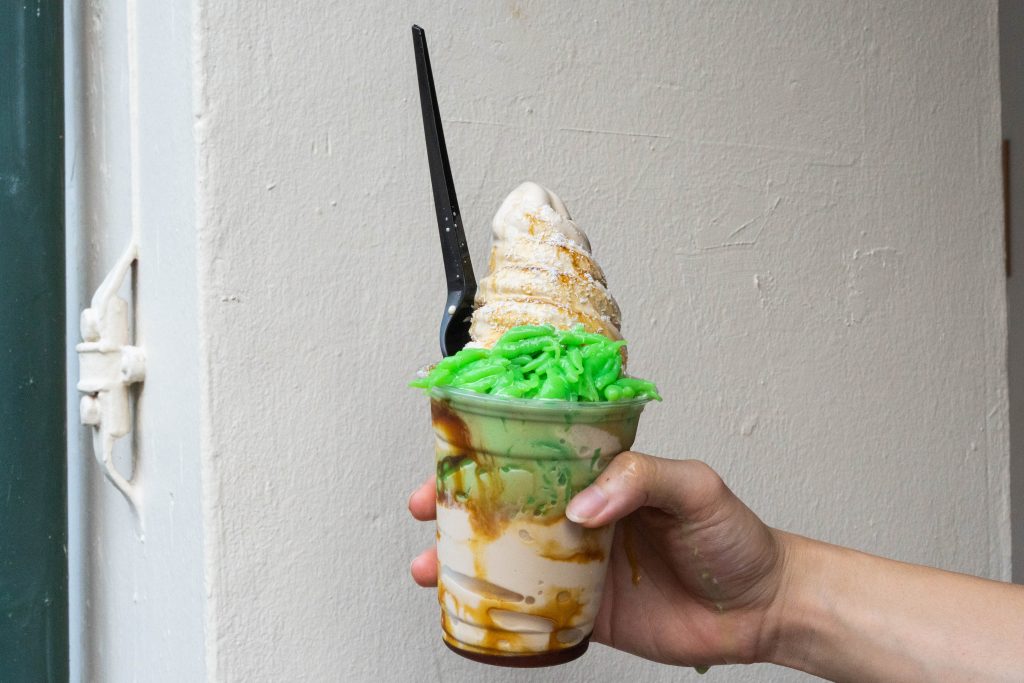
It’s hard to pinpoint what makes the dish so compelling, because it’s definitely a dish greater than the sum of its parts. Fluffy shaved ice and the creamy comfort of the coconut makes for a rich base, while the toothsome bite of the refreshing pandan jelly and sharp caramel notes of the gula melaka works well to create a well-balanced experience.
While these basic ingredients generally don’t change, there are distinct variations in its preparation across the region. Singaporeans and Malaysians sometimes pile on additions like sweet corn, red beans or attap chee (nipa palm seeds). In Indonesia, you can find chendol served with condensed milk and fermented cassava, while in Thailand the dessert is often served with jackfruit and sticky rice.
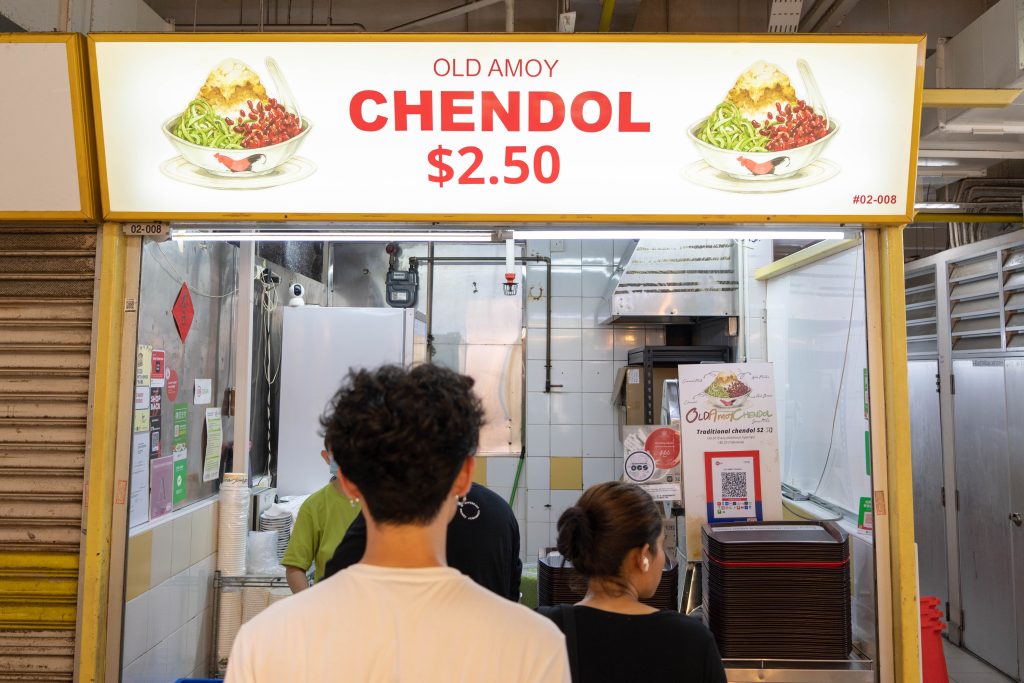
The most popular chendol businesses in Singapore are well-established, and many of them happen to be family-owned. Whether you’re a purist who takes only the core ingredients or a contemporary fan who loves to load on the toppings, you’ll definitely be able to find something for you in our guide!


